
The Concept of Luck in Gambling
Luck is often viewed as an essential component in the world of gambling, particularly in casinos. Many players believe that luck can influence the outcomes of various games, from slot machines to card games. In essence, luck is thought to be a random and unquantifiable force that can lead to unexpected wins, especially when players engage with online casino instant withdrawal options. The excitement that accompanies a lucky streak can create a compelling narrative, making players feel as if their fortunes are beyond their control, driven solely by chance.
However, the concept of luck varies from person to person. For some, the notion of luck is linked to superstition, with players adopting specific rituals or choosing particular colors or numbers that they believe will bring them good fortune. Others adopt a more pragmatic approach, crediting their successes to skill and strategy rather than mere chance. This dichotomy raises questions about how much of casino play is attributable to luck versus skill, and whether players can influence their success through their actions.
Ultimately, while luck plays a significant role, understanding the mechanics of casino games is crucial. Games like roulette and craps have elements dictated solely by chance, while others, such as poker, demand strategic thinking and skill. Thus, while luck can undoubtedly affect outcomes, the player’s knowledge and tactics can also substantially impact their overall success at the tables.
The Role of Probability in Casino Games
In the realm of casinos, probability is a fundamental concept that shapes the outcomes of games. Each game is designed with specific odds, which determine the likelihood of various outcomes. Understanding these probabilities allows players to make informed decisions about their betting strategies and gameplay. For example, knowing that a particular slot machine has a payout ratio of 95% gives players clues about their chances of winning. This statistical knowledge can help mitigate the randomness that luck brings to the table.
Probability also plays a pivotal role in card games like blackjack and poker, where players can leverage their knowledge of the odds to improve their chances of winning. Unlike games of pure chance, players can employ techniques such as counting cards or analyzing opponents’ behaviors in poker to tilt the odds in their favor. Such strategies demonstrate that while luck is indeed a factor, informed decision-making can significantly influence success in these games.
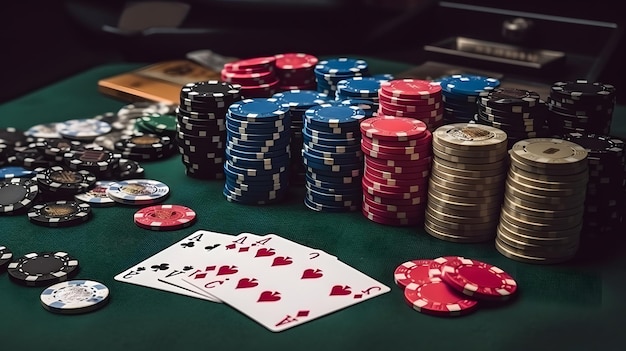
Furthermore, the interplay between luck and probability highlights a crucial aspect of casino gaming: the need for a balanced approach. Players who solely rely on luck may find themselves disappointed in the long run, as many games favor the house. As such, cultivating an understanding of probability can empower players to navigate their gaming experiences more effectively and to recognize when luck might be playing a part in their outcomes.
The Psychological Aspect of Luck and Success
The psychology of gambling is another layer that complicates the question of luck’s influence in casinos. Players often experience a rush of adrenaline when they believe they are on a lucky streak, which can cloud their judgment and lead to riskier betting behavior. This psychological phenomenon, sometimes referred to as the “gambler’s fallacy,” occurs when individuals assume that past outcomes will influence future results. For instance, a player might believe that a particular number is “due” to hit on a roulette wheel after a series of misses, despite each spin being an independent event.
Additionally, the environment of a casino is designed to enhance these feelings of luck and excitement. Flashing lights, exciting sounds, and the presence of other enthusiastic players can create an atmosphere that amplifies the belief in luck. Many gamblers report feeling an emotional connection to certain games, as if their success is somehow linked to their affinity for those games. This emotional investment can lead to a cycle of hope and disappointment, reinforcing the belief that luck is a critical factor in success.
Moreover, the mental focus on luck can lead to cognitive biases that impact decision-making. Players may overlook statistical data or fail to recognize patterns in their gameplay, opting instead for gut feelings. This skewed perception can result in more significant losses, illustrating how the psychological aspects of luck might overshadow rational thinking and lead to detrimental gambling habits.
Practical Implications of Luck in Casino Strategy
Understanding the role of luck in the casino environment has practical implications for players looking to improve their experiences. For those who view luck as a significant factor, setting strict limits on time and money spent can help mitigate losses stemming from a belief in unending lucky streaks. This approach allows players to enjoy the thrill of gambling without falling victim to the whims of chance, thereby fostering a healthier relationship with their gaming habits.

Conversely, for players who emphasize skill and strategy, integrating an understanding of the odds and probabilities into gameplay is vital. Developing a tailored strategy based on personal tendencies, understanding the house edge, and recognizing when it is time to walk away from a game can lead to a more sustainable gambling experience. Successful gamblers often share the sentiment that it is the combination of strategy and a bit of luck that leads to victories, underscoring the importance of a balanced approach.
Furthermore, maintaining a healthy relationship with gambling activities is crucial. Establishing personal guidelines and regularly reflecting on playing habits can prevent the negative effects of believing too heavily in luck. By acknowledging that luck is just one part of the equation, players can cultivate a more balanced and enjoyable gambling approach that prioritizes both enjoyment and responsible gaming.
Exploring Additional Resources on Casino Strategies
For those seeking a deeper understanding of luck and its impact on casino success, numerous resources are available to enhance one’s knowledge and gameplay. Many websites offer detailed guides on various games, probability calculations, and strategies that cater to both beginners and experienced players. These resources can provide valuable insights into how to navigate the often complex world of gambling, enabling players to make more informed choices and develop their skills over time.
Furthermore, engaging with communities, forums, and expert analyses can foster discussions that clarify misconceptions about luck. By sharing experiences and learning from one another, players can develop a broader understanding of how luck fits within the gambling landscape. These interactions often highlight the multifaceted nature of success in casinos, emphasizing the balance between chance and skill, and can inspire innovative strategies that enhance overall gameplay.
In conclusion, while luck undeniably plays a role in a player’s journey through a casino, it is essential to explore the numerous factors that contribute to success. By combining knowledge of probabilities, psychology, and practical strategies, players can approach their gambling experiences more holistically and realistically. Embracing all aspects of casino gaming can lead not only to fun and entertainment but also to a greater chance of achieving rewarding outcomes, highlighting the intricate dance between luck and skill in every game played.